
The Great Barrier Reef: An Australian Must-See
The Great Barrier Reef, off Queensland’s coast in Australia, is the largest coral reef system in the world and a top spot for outdoor enthusiasts. If you’re into diving, this is one of the best places to do it. The clear water makes it easy to see the reef’s coral and marine life up close. Expect to spot tropical fish, sea turtles, and even reef sharks (harmless). You don’t have to have any diving experience, there are dive sites for all skill levels, with plenty of operators offering gear rentals and guides.

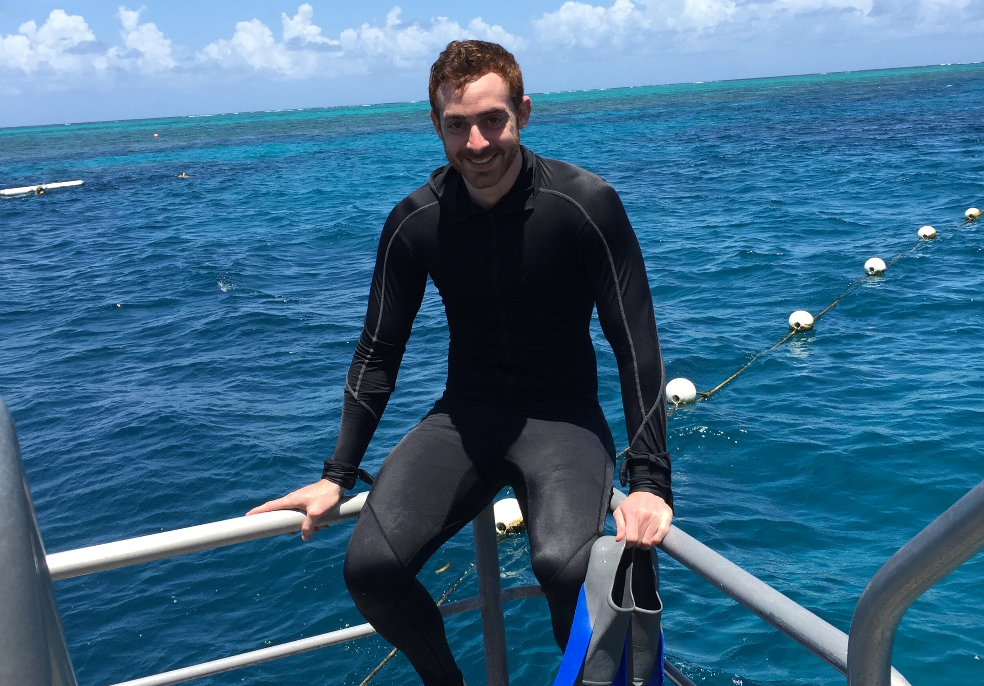
Ways to Explore With Diving
If you’re not into diving, you can see a ton just snorkeling in the reef’s shallower areas where schools of fish and coral are just below the surface. If you’d rather stay dry, glass-bottom boat tours and helicopter rides offer incredible views of the reef’s massive scale.
Tour Options
When I visited, these were a few of the options available:
Quicksilver Cruises: Operating from Port Douglas, Quicksilver Cruises provides trips to Agincourt Reef, featuring snorkeling and diving opportunities.
Silverseries Cruises: Departing from both Cairns and Port Douglas, Silverseries offers diving and snorkeling tours to various reef sites.
Reef Magic Cruises: Based in Cairns, Reef Magic provides snorkeling and diving experiences at their Marine World platform on the outer reef.
Calypso Reef Cruises: Operating from Port Douglas, Calypso offers family-friendly snorkeling and diving trips to the Great Barrier Reef.
Most included all necessary equipment, meals, and knowledgeable guides.
How to Get There
The main starting points are Cairns and Port Douglas. Cairns is a lively city with tons of places to stay, while Port Douglas has a quieter vibe. Both spots have plenty of tour operators running reef trips. We made sure to book ahead and recommend doing so, especially during busy seasons, and don’t forget the essentials: reef-safe sunscreen, swimwear, a wet bag and a waterproof camera.
Keeping It Eco-Friendly
The Great Barrier Reef is under pressure from climate change and tourism. To help preserve it, go with eco-certified tour companies and follow the rules—no touching the coral or disturbing the wildlife. It’s a small effort that makes a big difference. I wanted to know why we couldn’t touch the reef and our tour guide explained that coral is a living organism, and human contact can harm or even kill it through physical damage – they’re delicate and can break easily when touched or stepped on, the natural oils on our skin, along with sunscreen and other products, can coat the coral, blocking its ability to photosynthesize and feed and touching them can introduce harmful bacteria, leading to diseases that can spread across the reef – impacting the fish and other organisms that depend on it. Even small interactions can have a big impact over time, especially with the high volume of visitors the Great Barrier Reef sees.
Plan Your Visit
Tours leave daily, ranging from half-day trips to multi-day expeditions. To get the most out of it, set aside at least a full day for the reef. Whether you’re diving, snorkeling, or just soaking it all in, the Great Barrier Reef is an unforgettable experience that belongs on every traveler’s list.